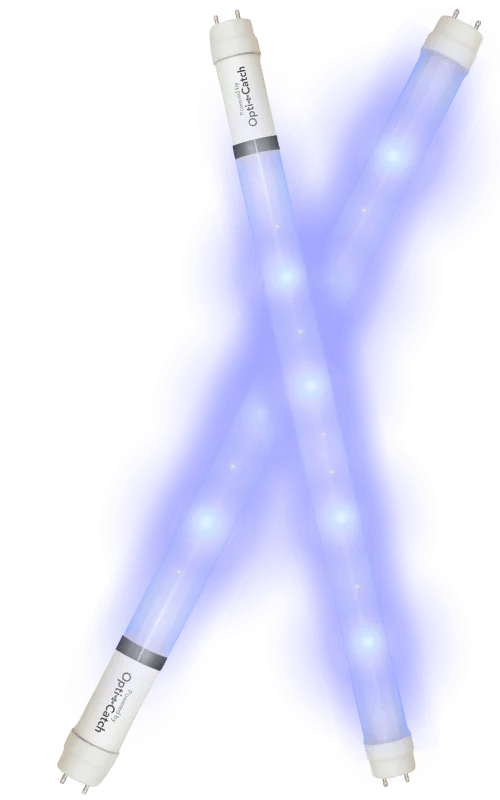


Do I Need to Replace My Fluorescent Insect Light Trap?
No. If your trap is compliant and functioning correctly, there is no requirement to replace it because of RoHS. Fluorescent UV lamps for insect light traps are expected to remain available until at least late 2028 while exemptions are under review.
If you manage pest control in food production, hospitality or commercial premises, you may be asking this very question, however, understanding the RoHS timeline will help you decide when - and how - to plan a transition.
.png)
Is Fluorescent Being Banned in 2027?
The short answer is: No.
Much of the concern centres on February 2027. But this is widely misunderstood.
During our recent webinar, we asked Stuart Dell from Signify to clarify the situation for UV lamps used in insect light traps.
His explanation was simple:
February 2027 is a review date under the RoHS Directive - not a ban date.
Fluorescent UV lamps used in insect light traps fall into the special lighting category. The use of mercury in the special lighting category is due for a review in February 2027. A review does not automatically remove an exemption; it assesses whether it should continue, be amended, or eventually be phased out.
How Long Will Fluorescent Insect Trap Lamps Remain Available?
The lighting industry, via LightingEurope, has already submitted a renewal request for the exemption covering specialist UV lamps.
Stuart explained that under EU RoHS rules:
- Once a renewal is submitted, a formal review period begins.
- During that review, the exemption remains valid.
In practical terms, this means fluorescent UV lamps for insect light traps are effectively secured until at least late 2028 while the review is underway.
.png)
If you want a deeper explanation of how RoHS exemptions work and what the review process involves, you can read our detailed guide to RoHS and fluorescent UV lamps.
There is also a credible case for extension beyond that, based on:
- Low LED penetration in the insect light trap sector compared to general lighting
- The inclusion of other specialist UV applications in the same exemption category
- Sustainability considerations and the need to avoid premature equipment disposal
While no regulatory decision can ever be guaranteed, there is no immediate “switch-off” scenario.
So… Do I Need to Replace My Fluorescent Light Trap Now?
If your fluorescent insect light trap is:
- Structurally sound
- Electrically safe
- Compliant with food safety requirements
- Performing effectively
There is no requirement to replace it because of RoHS.
The regulation provides planning time - not pressure to panic.
What If Only a Few Lamps Need Replacing?
This was a key question raised in our recent webinar:
“If only a handful of insect traps need replacing, should I move to LED now or stick with fluorescent for continuity?”
The practical recommendation:
If only one or two lamps need replacement, it is entirely reasonable to:
- Replace them with compliant fluorescent lamps
- Maintain consistency across the site
- Build a planned LED transition strategy
There is no operational benefit in forcing an immediate mixed-technology setup if it complicates servicing or stock management.
A phased approach is often more practical.
You can view the webinar snippet on YouTube channel here:
Should I Replace the Whole Unit With a New LED Model?
Not necessarily.
One of the biggest misconceptions is that moving to LED requires full unit replacement. In many cases, a retrofit LED lamp can be installed into an existing compatible unit. If you're unsure how this works in practice, our guide on retrofit LED lamps for insect light traps explains what pest control professionals need to consider.
If the housing and control gear remain in good condition, replacing the entire unit may create unnecessary cost and waste.
Is It More Sustainable to Replace Just the Lamp?
In most cases, yes.
Replacing a fully functional insect light trap generates avoidable waste - metal housings, electrical components and mounting hardware that still have operational life.
Retrofitting with LED instead of replacing the entire unit:
- Extends asset lifespan
- Reduces material waste
- Supports environmental reporting and ESG targets
- Minimises embodied carbon impact
From both a financial and sustainability perspective, maintaining existing infrastructure where possible is often the smarter route.
When Should I Replace the Entire Trap?
Full replacement may be appropriate if:
- The unit is damaged or corroded
- It no longer meets food safety or audit requirements
- It is incompatible with retrofit LED technology
In these situations, replacement is driven by compliance or performance - not by RoHS panic.
The Smarter Question to Ask
Instead of asking:
"Is fluorescent really about to be banned?"
A more strategic question is:
“Given the available timeline, when is the right moment for our site to transition - and which traps should move first?”
As more organisations begin exploring LED options, it is important to ensure the lamps used are properly tested and suitable for insect monitoring applications. Independent evidence behind UV LED lamp performance in pest control is becoming increasingly important when evaluating alternatives.
For many organisations, the most balanced approach is:
- Maintain compliant fluorescent units
- Replace lamps as needed
- Plan a phased LED retrofit
- Transition strategically rather than reactively
Final Answer: Do I Need to Replace My Fluorescent Light Trap?
No - not purely because of RoHS.
If your trap is compliant and effective, it can continue operating.
The real opportunity lies in planning your transition in a way that protects:
- Compliance
- Budget
- Sustainability goals
- Operational continuity
That’s where a considered retrofit strategy - rather than wholesale replacement - becomes the practical long-term solution.
Frequently Asked Questions About Fluorescent Insect Light Traps
Do I need to replace my fluorescent insect light trap?
Not necessarily. If your insect light trap is still working correctly, there is usually no need to replace the entire unit.
Many traps can continue operating effectively with routine lamp replacement and maintenance. In many cases, replacing the lamp rather than the whole trap is the most cost-effective and sustainable approach.
If you want to transition to LED technology, many traps can also be retrofitted with LED lamps, allowing you to upgrade performance without replacing the whole unit.
Should I replace a fluorescent trap with a new LED unit?
Replacing the whole trap is not always required.
Many existing insect light traps can be retrofitted with LED lamps, meaning you can upgrade to LED while keeping the original trap housing in place.
This approach can help:
- Reduce equipment waste
- Lower upgrade costs
- Minimise disruption to existing pest management programmes
Before replacing a working trap, it is worth checking whether LED retrofit lamps are compatible with your existing unit.
Are fluorescent insect light traps being banned?
No. Fluorescent insect light traps themselves are not being banned.
The conversation often relates to the Restriction of Hazardous Substances Directive (RoHS), which restricts the use of certain substances such as mercury in electrical equipment.
Fluorescent UV lamps contain small amounts of mercury, which is why they fall under this regulation. However, exemptions exist for certain specialist applications, and the pest control industry continues to engage with regulators about their use.
This means fluorescent lamps remain available today, although the industry is also exploring long-term LED alternatives.
Should I switch to LED insect light trap lamps now?
That depends on your current equipment and maintenance plans.
Many pest professionals are choosing to introduce LED gradually, particularly when:
- Lamps reach their replacement cycle
- Units are already being serviced
- Sites are reviewing energy efficiency or sustainability targets
LED retrofit lamps allow organisations to upgrade lighting technology without replacing entire traps.
Is it more sustainable to replace the lamp or the whole trap?
In most cases, replacing the lamp is the more sustainable option.
Discarding a fully functional insect light trap creates unnecessary equipment waste. By replacing only the lamp - whether fluorescent or LED - organisations can extend the life of existing equipment while still maintaining effective insect monitoring.
This approach supports waste reduction and resource efficiency, which are increasingly important considerations for food production sites and facilities working towards sustainability goals.
Can existing insect light traps be converted to LED?
Yes - many traps can be upgraded using LED retrofit lamps designed to fit into existing units.
This allows pest control professionals to:
- Maintain current trap placements
- Reduce installation costs
- Transition to LED technology gradually
However, compatibility can vary depending on the trap model, so it is always best to check manufacturer guidance.
Planning Your LED Transition?
If you’re reviewing your insect light traps or planning how to introduce LED technology, it may help to look at your current traps, lamp replacement cycles, and long-term maintenance strategy.
Rather than replacing working equipment prematurely, many organisations are choosing to upgrade lamps first and plan their LED transition over time.
If you would like guidance on how LED retrofit lamps could work within your existing insect light trap setup, get in touch with the Opti-Catch team to discuss your LED transition strategy.
More blogs
When You Buy an LED Insect Light Trap, What Are You Really Buying?
%20(1).png)
From Packaging to Pest Control: Why Risk Assessment Matters
.png)
Electric Fly Killer Standards: Why Pest Controllers Need Greater Transparency
Want to keep your insect traps with Opti-Catch?
Fill out the contact form below to enquire