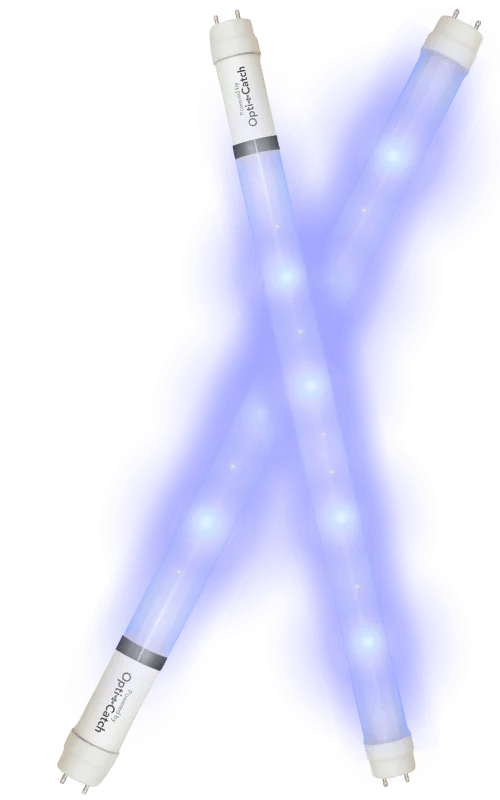


What BRCGS Auditors Really Look for in Insect Control Systems
Insect control is key to food safety. This article explains what auditors look for in ILTs, including device placement, operation, monitoring, and verification, showing how well-maintained systems support daily checks and reduce contamination risk.
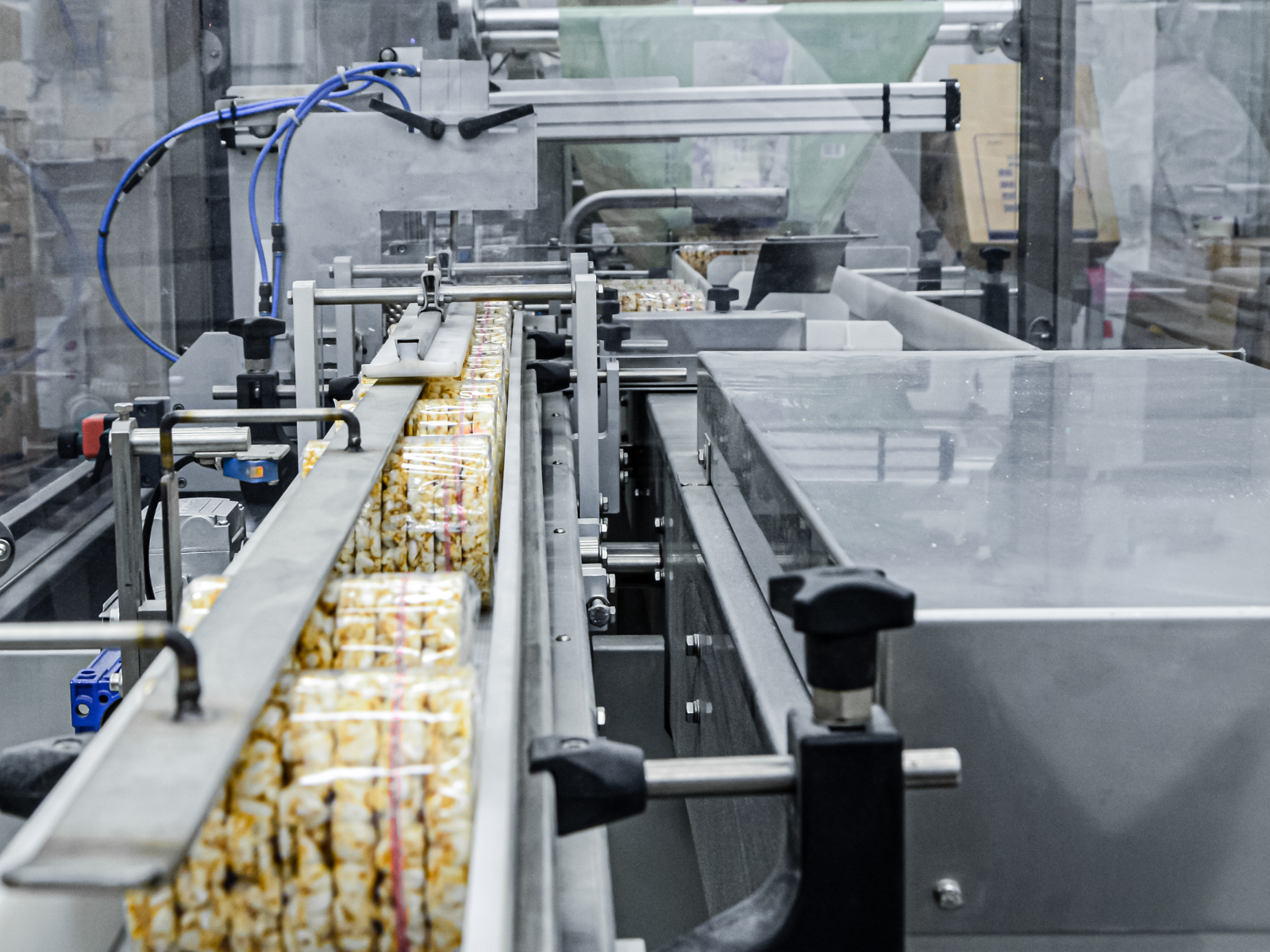
Insect control is a critical part of any food safety management system. Whether managed by a pest control professional or a food safety or technical manager, it must operate as part of a structured, risk-based approach to protecting food from contamination.
During our recent webinar, Kim Stillwell, Food Technical Manager at BRCGS, provided valuable clarity on what auditors are - and are not - looking for when assessing insect light traps (ILTs) and lamp replacement practices.
This article outlines what auditors typically review in relation to insect control, particularly ILTs, and how to design a system that is both effective in practice and robust at audit.
Insect control as part of HACCP and PRPs
Within HACCP‑based food safety management systems, pest control is normally managed through Prerequisite Programmes (PRPs) rather than as a Critical Control Point. That does not diminish its importance.
Auditors expect insect control to be:
- Risk assessed
- Systematically implemented
- Monitored and verified
- Reviewed for ongoing effectiveness
For flying insect control, this means demonstrating:
- A thorough assessment of flying insect risks
- Appropriate control measures, including ILTs
- Regular monitoring and corrective action
- Ongoing review to confirm effectiveness
Auditors are assessing whether the system works and is evidence-based - not whether it follows historic habits.
1. A documented insect control programme
Auditors will first look for a well-documented insect control system describing:
- How insect risks are managed across the site
- The type and location of control devices, including ILTs
- Responsibilities for inspection and maintenance
- Monitoring and verification frequency
For pest control officers, accurate service records are essential. For food safety managers, documentation demonstrates that insect control is embedded into the wider food safety management system - not treated as an isolated activity.
ILTs should be explicitly referenced as part of the site’s structured pest control strategy.
2. Correct placement and suitability of insect light traps
Auditors will visually assess whether control devices are appropriate for the intended area and risk level, in line with BRCGS requirements. For ILTs, this includes:
- Positioning to avoid the risk of contaminating product, particularly in open food handling areas
- Strategic positioning based on potential insect entry points
- Suitability for the specific environment (e.g., production, storage, perimeter zones)
Being able to explain the rationale for device placement demonstrates systematic control, a core expectation under PRP's.
3. Evidence that devices are operational
Auditors also expect confidence that devices are functioning as intended. For ILTs, this includes:
- The unit is powered
- Lamps are operational
- There is no ambiguity during visual inspection
As LED technology becomes more common, auditors may question lamps that appear dimmer than fluorescent alternatives. Clear visual confirmation of operation can support audit confidence.
Physical contamination risk is also assessed. Lamp breakage — whether glass or plastic — must be considered within the site’s foreign body control strategy. Protective measures, such as shatter-resistant coatings or risk-assessed lamp design, demonstrate that contamination risks have been evaluated and controlled.
From an audit perspective, this shows:
- Physical hazards have been assessed and controlled
- Preventive controls are in place
- Equipment selection supports food safety objectives
Clear lamp operation combined with protection against glass/plastic breakage ensures ILTs contribute to safety rather than introducing additional risk.
4. Lamp replacement: what BRCGS actually expects
One of the most common misconceptions in the industry is that lamps must be changed annually.
Kim Stillwell clarified that BRCGS does not prescribe a fixed replacement interval - and does not operate a “one-size-fits-all” rule.
The standard will not state:
- “Change fluorescent lamps every year”
- “Change LED lamps every X years”
There is too much variation in technology, manufacturer validation, and site risk.
Instead, BRCGS expects sites to:
Follow manufacturer guidance
If a manufacturer states a validated 3-year lamp life, auditors will expect you to:
- Replace lamps at or before 3 years
- Not run lamps “post life”
- Apply the stated replacement interval consistently
In other words, decisions should be based on validated manufacturer data - not habit.
Hold supporting documentation
Auditors will expect to see:
Manufacturer technical datasheets
- Stating rated life
- Confirming efficacy over that period
Site installation and replacement records
- Dates of installation
- Dates of change
This combination - manufacturer validation plus site records - demonstrates evidence-based control.
Demonstrate effectiveness
If you move from annual fluorescent replacement to a 3-year validated LED system, that can be fully compliant - provided:
- The manufacturer provides documented validation of lifespan and efficacy
- Your site follows that schedule in practice
- Records prove compliance
The key message from BRCGS is clear:
Auditors are looking for documented, evidence-based control - not a fixed “change every year” rule.
5. Monitoring, records, and corrective action
Auditors expect documented evidence of routine checks:
- Inspection logs for ILTs
- Device identifiers and dates
- Insect activity records
- Corrective actions where required
If a lamp fails or insect activity rises, records should show:
- The issue was logged
- Root cause analysis was completed
- Preventative action was taken
- The outcome was reviewed and recorded
This demonstrates an actively managed system, aligned with BRCGS monitoring and corrective action requirements.
6. Review and continuous improvement
Auditors may also review whether insect control is periodically evaluated as part of the overall food safety system, including:
- Annual programme reviews
- Trend analysis
- Reassessment of device placement or equipment suitability
- Technology evaluation where appropriate
Effective systems evolve as risks, layouts, and operational demands change.
Evidence-based insect control builds audit confidence
Effective insect control is not about following historical norms. It is about demonstrating that:
- Risks are assessed
- Equipment is appropriate
- Lamps are replaced in line with validated manufacturer guidance
- Records prove the system is followed
When manufacturer data, a clear replacement plan, and documented evidence align, you are meeting BRCGS expectations from a lamp-replacement perspective.
For pest control professionals and food safety managers alike, this approach replaces uncertainty with clarity - and turns audit preparation into a structured, evidence-based process.
If you are reviewing your current ILT strategy or considering a shift in lamp technology, ensure that manufacturer validation, documented replacement intervals, and clear site records form the foundation of your decision.
When reviewing lamp performance, lifespan, or potential technology changes, our LED insect light trap retrofit calculator provides a practical way to explore whether an upgrade makes sense for your site.
More blogs
When You Buy an LED Insect Light Trap, What Are You Really Buying?
%20(1).png)
From Packaging to Pest Control: Why Risk Assessment Matters
.png)
Electric Fly Killer Standards: Why Pest Controllers Need Greater Transparency
Want to keep your insect traps with Opti-Catch?
Fill out the contact form below to enquire