

Electric Fly Killer Standards: Why Pest Controllers Need Greater Transparency
As the pest control industry transitions from fluorescent lamps to LED technology, comparing electric fly killer performance has become increasingly challenging. This article explores why the lack of recognised performance standards matters and how greater transparency could help pest controllers make more informed decisions when specifying EFKs.
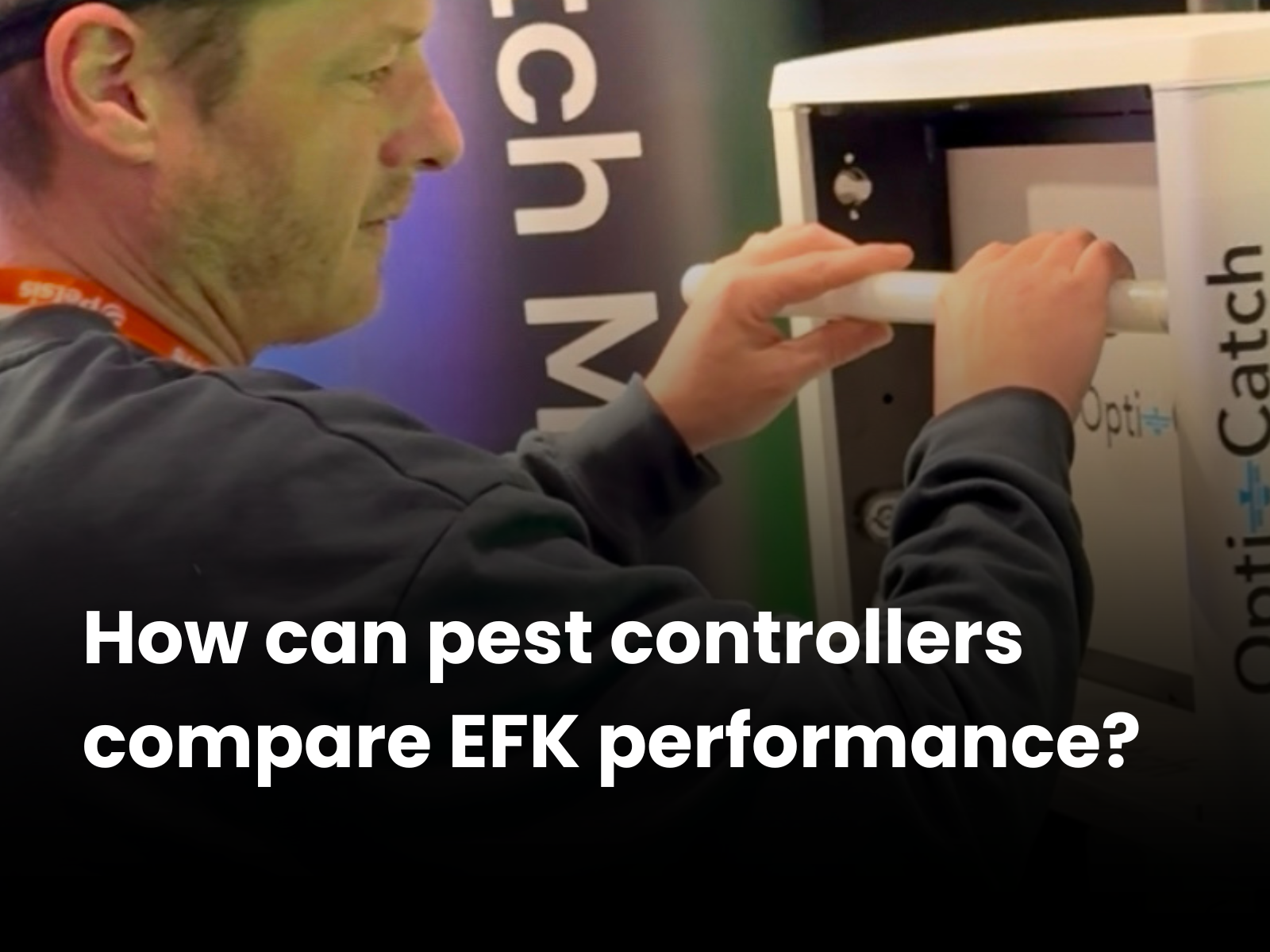
When you're specifying an electric fly killer for a customer, how do you know it's actually going to perform as expected?
During conversations with pest controllers at industry events and training days, we often hear the same concern raised. Most assume there must be some recognised standard that measures how effectively an electric fly killer attracts and captures flying insects.
In reality, there isn't.
While EFKs must comply with electrical safety requirements, there is currently no recognised industry standard for measuring fly catch performance. That means products can be brought to market without any independent benchmark for how effectively they attract insects.
For pest controllers, this can make product selection more difficult than it should be.
The Problem with Comparing Electric Fly Killers
Imagine you're choosing between two electric fly killers from different manufacturers.
Both claim to be highly effective. Both have similar specifications. Both are marketed as suitable for food production environments.
But how do you know which one will actually deliver the better fly catch?
Without electric fly killer standards, there is no common framework for comparing performance. You're often relying on manufacturer claims, marketing literature or previous experience.
For pest controllers responsible for protecting customers' sites, that's not always ideal.
After all, if you've recommended a unit or a lamp replacement, and the customer isn't seeing the results they expected, it's your reputation that's on the line.
Why This Matters More Than Ever
The discussion around electric fly killer standards has become increasingly important as the industry moves from fluorescent lamps to LED technology.
Historically, fluorescent UV lamps were relatively predictable. Performance differences certainly existed, but the technology itself was well understood.
LED has changed the landscape.
Today's UV LED solutions vary significantly in terms of wavelength output, light distribution, optical design and overall efficacy. Some use lamp-style formats, while others utilise point-source LED technology, such as UV LED strips. Two products may look almost identical, yet perform very differently in attracting flying insects.
The challenge for pest controllers is that these differences aren't always obvious from product literature alone.
Without independent testing or recognised electric fly killer standards, it can be difficult to determine which products genuinely perform well and which simply make bold claims.
What Would Electric Fly Killer Standards Achieve?
The purpose of a standard wouldn't be to tell pest controllers which product to buy.
Instead, it would create a level playing field where products could be assessed using consistent criteria.
That could bring several benefits to the industry.
More Informed Purchasing Decisions
Pest controllers would have access to objective performance data rather than relying solely on marketing claims.
This would make it easier to compare products and specify solutions with greater confidence.
Greater Confidence for End Users
Food manufacturers, pharmaceutical facilities and other hygiene-sensitive businesses want reassurance that the equipment installed on-site is capable of doing its job.
Independent standards could provide a clearer indication of expected performance and help end users make more informed purchasing decisions.
Recognition for Genuine Innovation
Manufacturers investing in research, testing and product development would have an opportunity to demonstrate the effectiveness of their products through independent assessment.
This would help customers distinguish between products based on proven performance rather than promotional messaging.
Is the Industry Ready for Electric Fly Killer Standards?
Many pest controllers certainly believe so.
It's a topic that regularly comes up in conversations throughout the industry, particularly as LED adoption continues to accelerate.
The reality is that pest professionals are increasingly being asked to justify product choices and demonstrate value to their customers. Having access to independently verified performance data would make those conversations much easier.
At the same time, customers are becoming more knowledgeable and more demanding. They want confidence that the equipment they're investing in has been properly evaluated and can deliver the results expected.
Better Information Benefits Everyone
Whether electric fly killer standards eventually become an industry reality remains to be seen.
What is clear, however, is that greater transparency around product performance would benefit manufacturers, pest controllers and end users alike.
The more information available about how products are tested and how they perform, the easier it becomes to make informed decisions.
And when it comes to protecting customers from flying insect activity, that's something the entire industry can get behind.
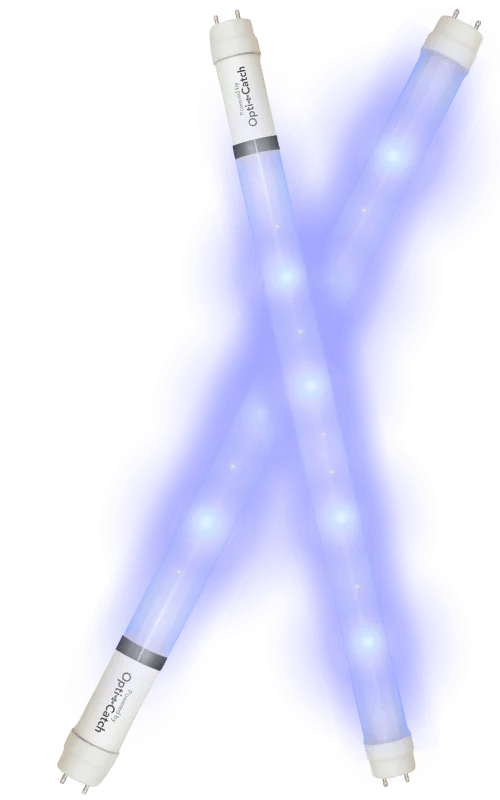
At Opti-Catch, we believe independent testing has an important role to play in helping pest professionals make informed decisions. Our retrofit LED lamps have undergone independent testing and have been proven to catch 10% more flies than traditional fluorescent lamps.
If you'd be interested in seeing the test results, or if you have any questions about LED performance and how different technologies compare, we'd be happy to help. Please get in touch with the Opti-Catch team to continue the conversation.
More blogs
When You Buy an LED Insect Light Trap, What Are You Really Buying?
%20(1).png)
From Packaging to Pest Control: Why Risk Assessment Matters
.png)
What Happens If an Insect Light Trap Lamp Breaks?
Want to keep your insect traps with Opti-Catch?
Fill out the contact form below to enquire